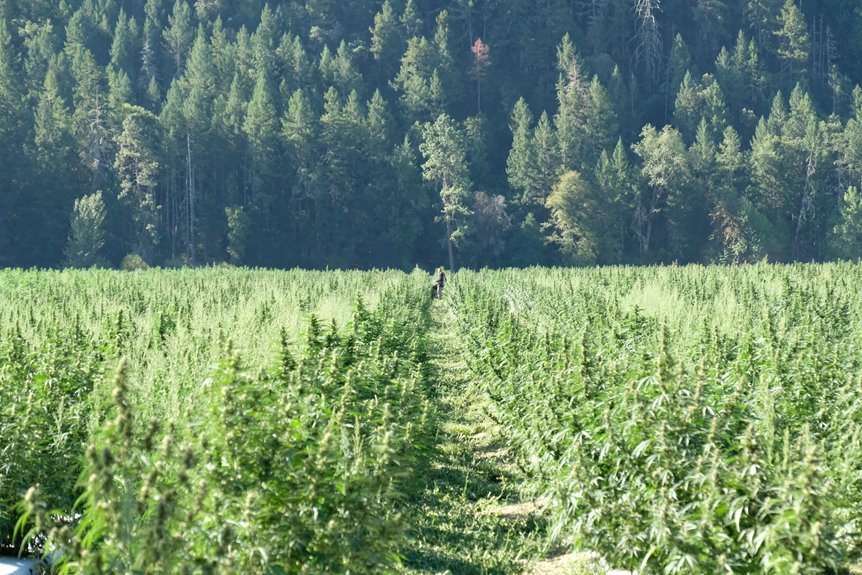
Hemp’s potential as a sustainable resource is often underestimated. Its rapid growth not only enriches soil health but also plays a crucial role in carbon sequestration. By replacing harmful materials with durable, biodegradable products, hemp fosters a circular economy. Understanding these practices can shift your perspective on sustainable living. What specific environmental benefits does hemp offer, and how can its integration into various industries reshape our ecological future?
What Is Hemp and Why Is It Important?
Hemp, a versatile plant belonging to the Cannabis sativa species, plays a crucial role in sustainable agriculture and industry.
Its rich history dates back thousands of years, where it’s been used for textiles, paper, and biofuels.
Understanding hemp’s diverse uses helps you appreciate its importance in promoting freedom from environmentally harmful materials, making it a vital asset for a sustainable future.
Key Environmental Benefits of Hemp Cultivation
While many crops contribute to ecological health, few rival the environmental benefits of hemp cultivation.
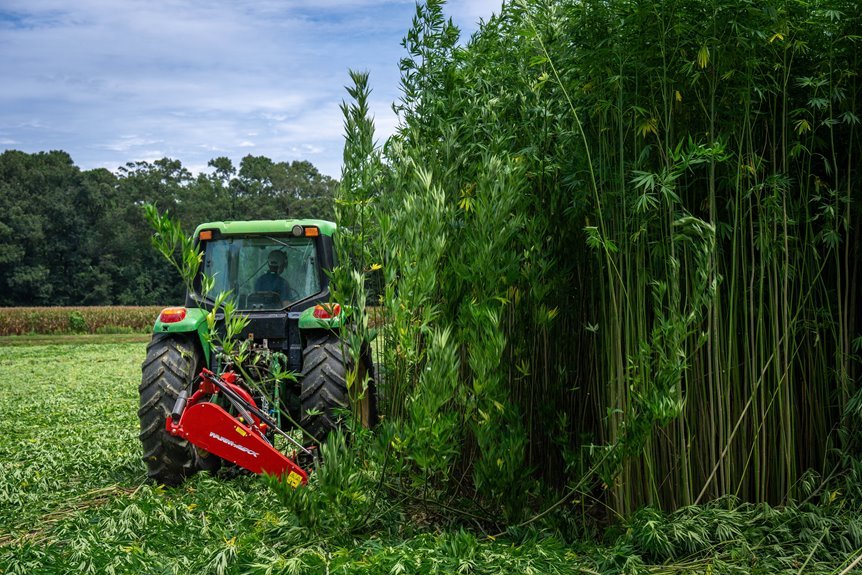
Hemp improves soil health by preventing erosion and enhancing nutrient content, creating rich hemp soil. Additionally, its rapid growth enables significant carbon sequestration, capturing carbon dioxide from the atmosphere.
How Hemp Helps Fight Climate Change?
As climate change accelerates, innovative solutions are crucial, and hemp stands out as a powerful ally in this fight.
Its rapid growth allows for effective carbon sequestration strategies, absorbing significant CO2 from the atmosphere.
Additionally, hemp provides eco-friendly materials that can replace more harmful options, reducing our carbon footprint.
Sustainable Hemp Products and Their Benefits
When considering sustainable materials, hemp products emerge as a versatile choice that aligns with environmental goals.
Hemp textiles offer durability and require less water than traditional fibers, making them eco-friendly.
Additionally, biodegradable packaging made from hemp reduces plastic waste, supporting a circular economy.
By choosing these products, you contribute to sustainability while enjoying high-quality, environmentally responsible alternatives.
Embrace the freedom of sustainable living through hemp.
Conclusion
Incorporating hemp into our daily lives isn’t just a trend; it’s a crucial step toward sustainability. Did you know that cultivating hemp can sequester up to 1.63 tons of CO2 per acre annually? By choosing hemp-based products, you’re not only reducing waste but also supporting healthier ecosystems. Embracing this versatile plant can help you contribute to a greener future, making a significant impact on climate change and promoting eco-friendly practices in your community.