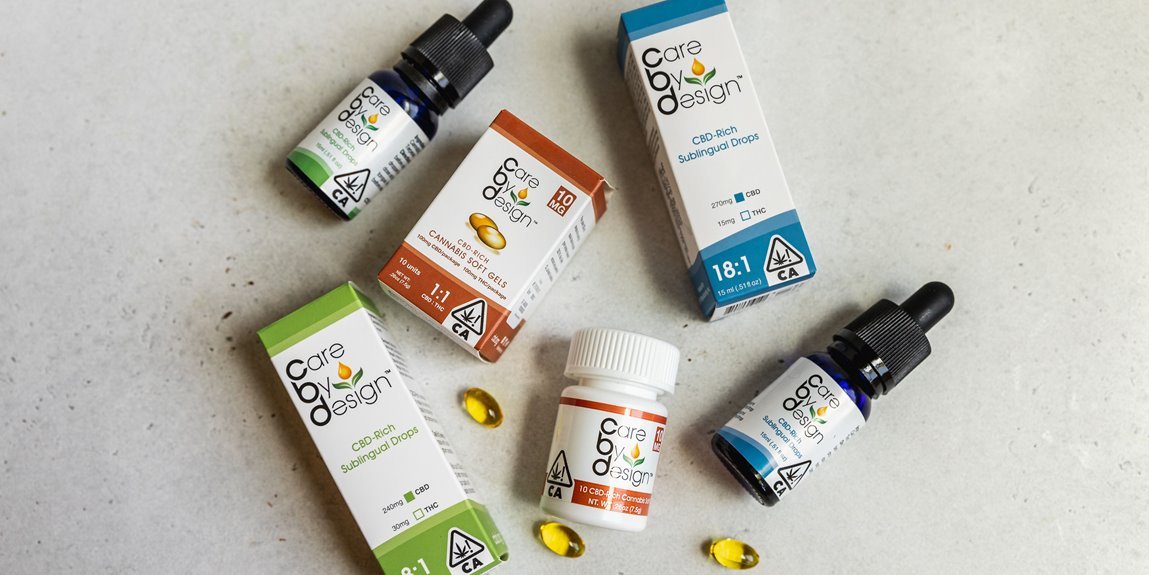
As the CBD market evolves, new regulations are reshaping the landscape, influencing product development and consumer preferences. You’ll notice a surge in demand for CBD-infused edibles and beverages, alongside challenges in compliance. Strategic partnerships are becoming essential for credibility and market reach, yet many entrepreneurs overlook this crucial aspect. Understanding these dynamics can reveal untapped opportunities, but how will you adapt your strategy to stay competitive in this rapidly shifting environment?
How New Regulations Affect CBD?
As new regulations roll out, they significantly shape the CBD market landscape.
These regulatory changes introduce compliance challenges that you must navigate. Adapting to evolving rules isn’t just a hurdle; it’s an opportunity for innovation.
What Are the Hottest Product Trends in CBD?
Regulatory shifts are influencing consumer preferences and driving innovation in the CBD market.
You’ll find that CBD edibles, including gummies and chocolates, are gaining popularity for their convenience.
Topical innovations, like creams and balms, offer targeted relief.
Beverage infusions, from teas to sparkling waters, are refreshing options, while pet products, including treats and tinctures, cater to the growing demand for pet wellness.
How Strategic Partnerships Fuel CBD Business Growth
While the CBD market continues to expand, strategic partnerships are emerging as a vital catalyst for growth.
By leveraging brand collaborations, you can enhance product visibility and credibility. Additionally, tapping into established distribution networks allows for quicker market penetration and broader reach.
These alliances not only streamline operations but also foster innovation, positioning your business for sustainable success in a competitive landscape.
Identifying Future Opportunities for CBD Entrepreneurs
Identifying future opportunities in the CBD market requires a keen understanding of emerging trends and consumer preferences.
Focus on market segmentation to target diverse demographics, and prioritize consumer education to build trust.
Explore innovative formulations that align with sustainability practices, and adopt strong branding strategies for differentiation.
Lastly, consider global expansion to tap into new markets, enhancing your entrepreneurial potential.
Conclusion
As the CBD market evolves, keeping an eye on regulations and emerging trends is crucial for your success. Just like the Gold Rush of the 1840s, today’s entrepreneurs must navigate challenges while seizing opportunities. By leveraging strategic partnerships and innovating with sustainable products, you can position yourself ahead of the curve. The potential for growth is significant, but staying informed and adaptable will be key to thriving in this dynamic landscape.