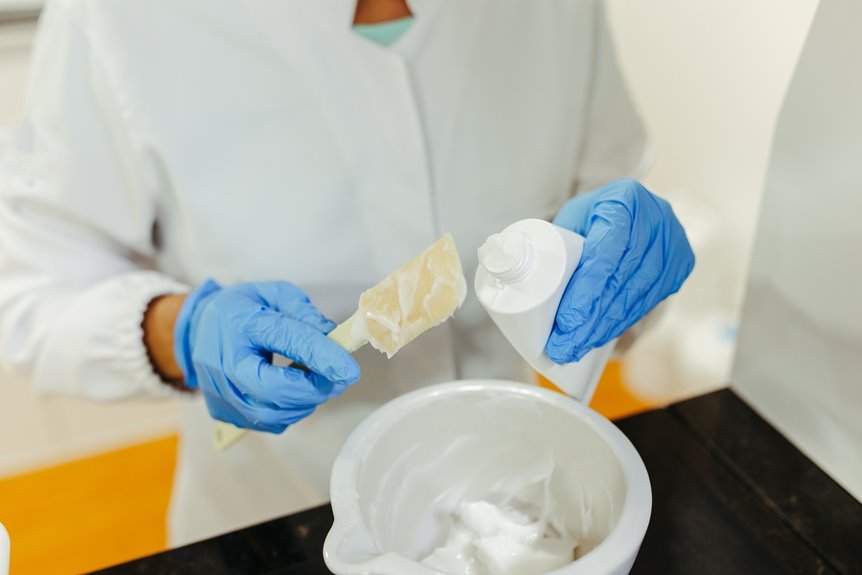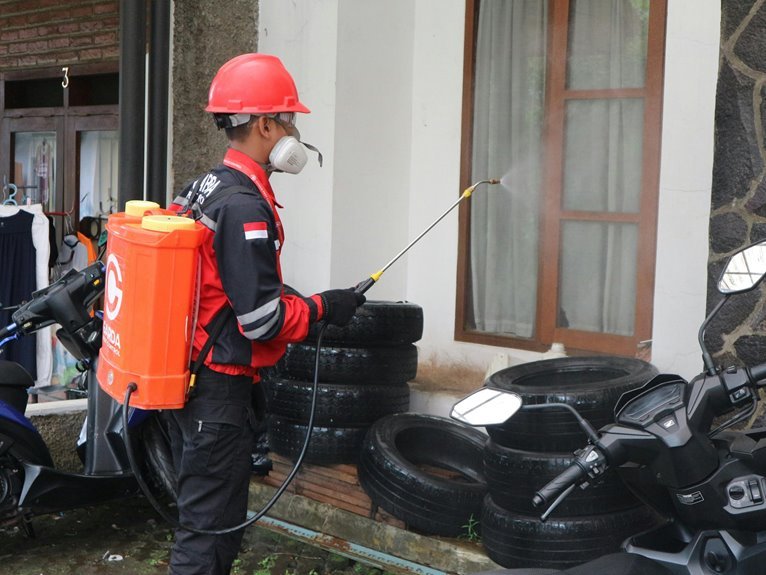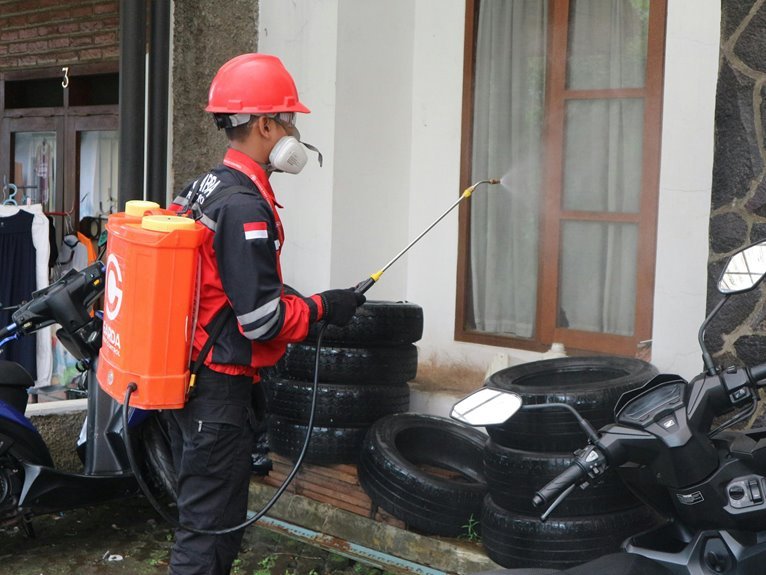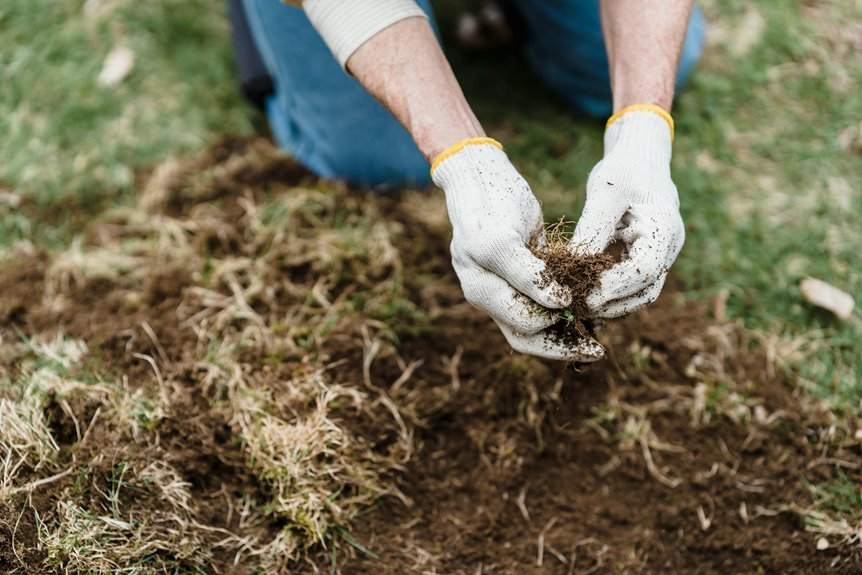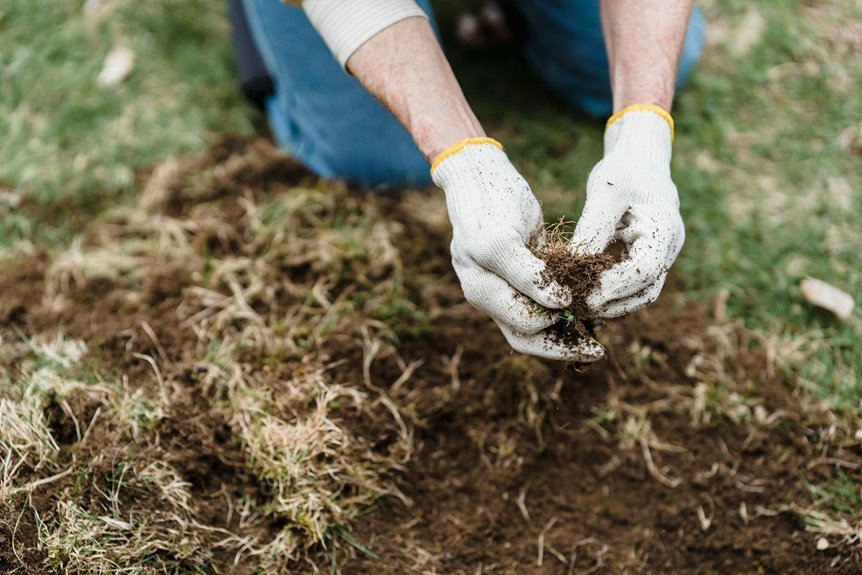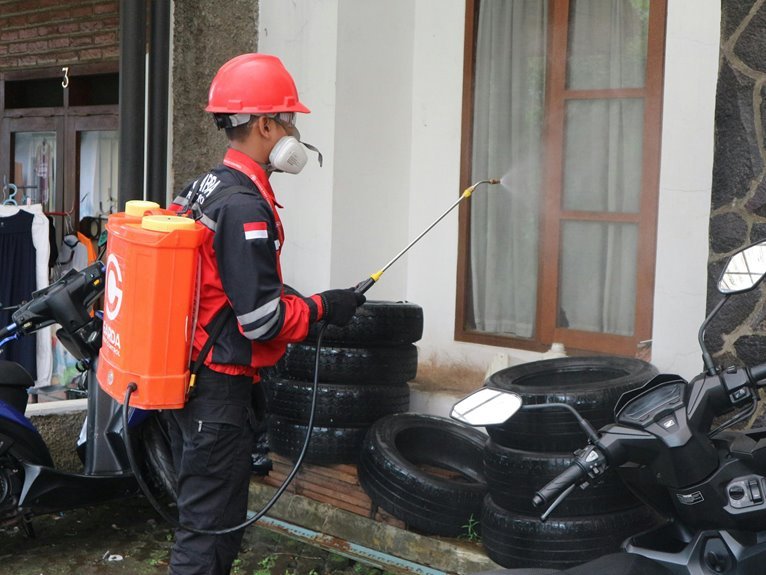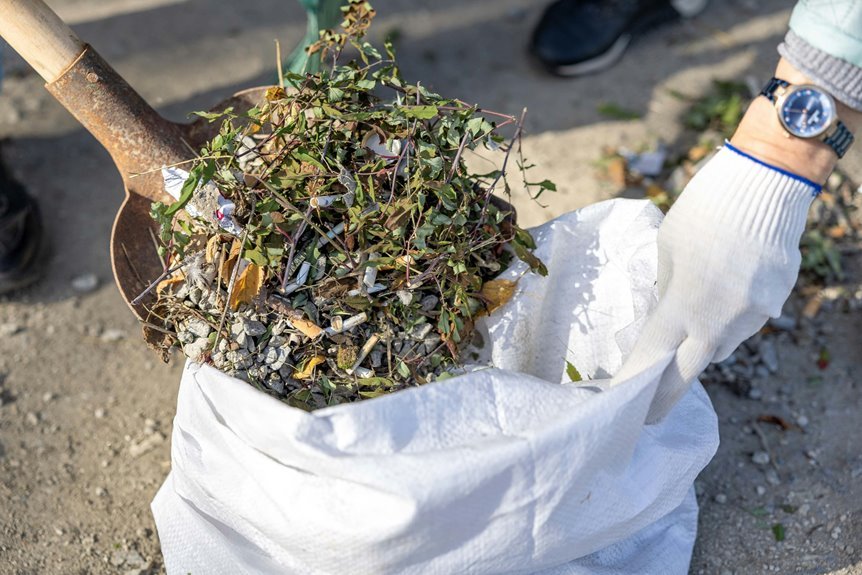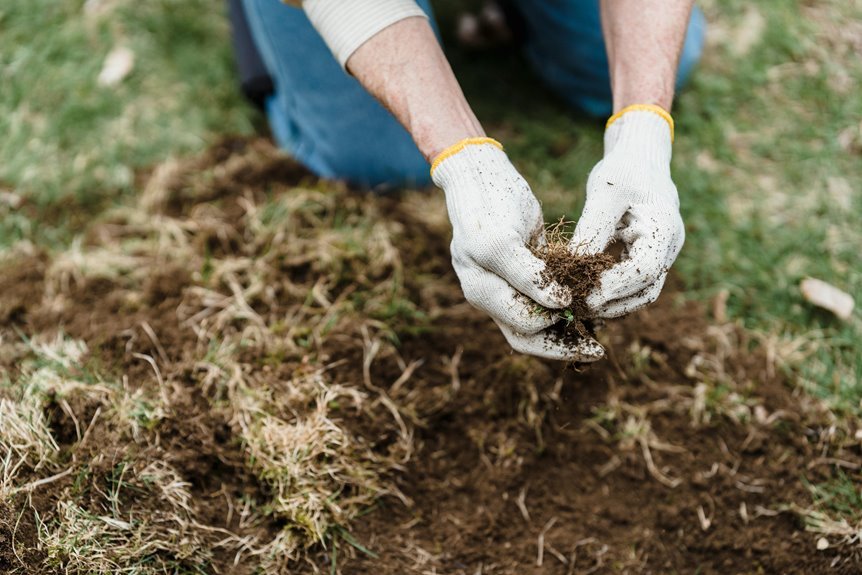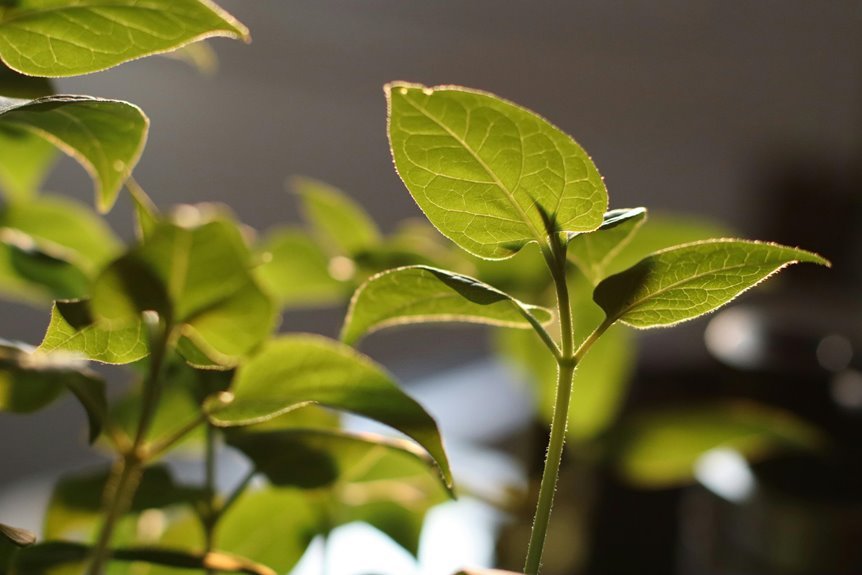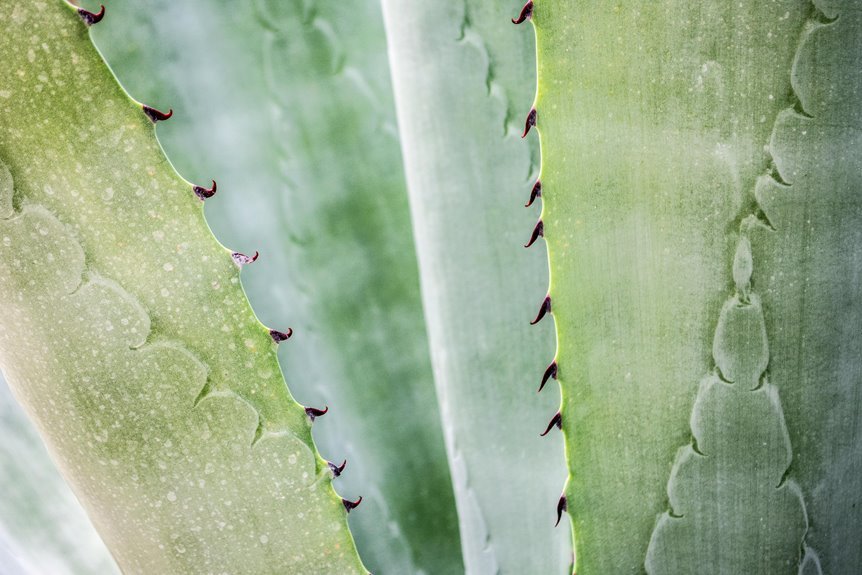
Homemade weed killer is a natural or DIY mixture used to kill unwanted plants (weeds) in gardens or lawns. It is usually made from common household ingredients like vinegar, salt, and dish soap. These ingredients work together to dry out and damage the weeds. Many people prefer homemade weed killers because they are inexpensive and easy to make. They are also considered safer than many chemical herbicides. However, they can sometimes harm nearby plants if not used carefully. 🌱
Have you ever wondered if homemade weed killers are truly effective? Many gardeners swear by them, claiming natural solutions can rival commercial products. A vinegar solution with a high concentration is a popular choice, but there’s more to explore. From…

Did you know that many common household ingredients can effectively eliminate weeds without harsh chemicals? By harnessing the power of vinegar and salt, you can create a homemade weed killer that disrupts the cellular structure of unwanted plants. This method…
Weeds can be both a gardener’s nightmare and an opportunity for creativity. With the right homemade solutions, you can effectively tackle these invaders without relying on harsh chemicals. This guide offers practical recipes that utilize common household ingredients, ensuring you…
You might think that eliminating weeds from your backyard requires a chemical arsenal, but that’s far from the truth. Homemade weed killers can be just as effective without the harmful side effects. By using simple ingredients like vinegar and salt,…
If you’re looking for effective ways to manage weeds without harsh chemicals, you’ve come to the right place. Using common household ingredients can provide a powerful solution that’s both eco-friendly and easy to make. From vinegar to salt, these natural…
Homemade Weed Killer: The Ultimate Guide to Natural Weed Control
Weeds are one of the most persistent challenges for gardeners, homeowners, and landscapers. While chemical herbicides are widely used, many people are turning to eco-friendly alternatives. Homemade weed killer offers an affordable, safe, and effective solution for controlling unwanted plants without harming the environment. In this comprehensive guide, we’ll explore everything you need to know about creating and using homemade weed killers, from traditional methods to modern updates, FAQs, and practical tips for your garden.
What is a Homemade Weed Killer?
A homemade weed killer is a natural or DIY solution that targets unwanted plants without relying on synthetic chemicals. These remedies are often made from ingredients found in your kitchen or garden, such as vinegar, salt, baking soda, or citrus oils. Unlike commercial herbicides, homemade options reduce environmental impact and are safer for pets, children, and beneficial insects.
Why Choose Homemade Weed Killers?
Using homemade weed killers has several advantages:
Eco-Friendly: Avoid harmful chemicals that can pollute soil and water.
Cost-Effective: Most ingredients are inexpensive and readily available.
Safe for Pets and Children: Reduces exposure to toxic chemicals.
Customizable: You can tailor solutions for specific weeds or areas.
Easy to Apply: No specialized equipment required.
History of Homemade Weed Killers
The concept of natural weed control has been around for centuries. Ancient farmers and gardeners relied on organic methods to protect crops from invasive plants. Some historical methods included:
Boiling Water: Used in medieval Europe to kill weeds growing in pathways.
Salt: Ancient Egyptians used salt in fields to prevent weed growth.
Vinegar: Traditional vinegar sprays have been documented in early American gardening practices.
Mulching: Native American tribes used plant residues to suppress weed growth naturally.
These traditional methods laid the foundation for modern DIY homemade weed killers.
Common Ingredients for Homemade Weed Killers
Several household items are particularly effective as weed-killing agents. Some of the most popular include:
White Vinegar: Contains acetic acid that burns weed leaves.
Salt: Dehydrates plant cells to prevent growth.
Baking Soda: Raises pH levels, making it difficult for weeds to thrive.
Citrus Oil (D-Limonene): Natural herbicide that destroys weed foliage.
Dish Soap: Acts as a surfactant, helping other ingredients stick to leaves.
Table 1: Common Homemade Weed Killer Ingredients and Their Effects
Ingredient
Active Component
Effect on Weeds
Best Use Area
White Vinegar
Acetic Acid
Burns leaves, kills young weeds
Driveways, walkways
Salt
Sodium Chloride
Dehydrates plant roots
Paths, stone areas
Baking Soda
Sodium Bicarbonate
Raises soil pH, prevents growth
Sidewalk cracks
Citrus Oil
D-Limonene
Burns foliage
Garden beds
Dish Soap
Surfactant
Enhances adhesion of sprays
All above areas
How to Make Homemade Weed Killer
1. Vinegar-Based Weed Killer
Ingredients:
1 gallon of white vinegar (5% acetic acid)
1 cup salt
1 tablespoon dish soap
Instructions:
Combine vinegar and salt in a bucket.
Add dish soap and stir gently.
Pour into a spray bottle.
Spray directly onto weeds on a sunny day.
Tips: Avoid spraying on grass or flowers, as it will harm all plants.
2. Baking Soda Weed Killer
Ingredients:
4 tablespoons of baking soda
1 quart of water
Instructions:
Mix baking soda with water in a spray bottle.
Apply to the base of weeds or in sidewalk cracks.
Repeat weekly for best results.
3. Citrus Oil Spray
Ingredients:
2 teaspoons of citrus oil
1 cup of water
1 teaspoon of dish soap
Instructions:
Mix all ingredients in a spray bottle.
Spray the weeds directly, focusing on the leaves.
Reapply every 3–4 days until the weeds are dead.
4. Boiling Water Method
Instructions:
Boil water in a kettle or pot.
Carefully pour over weeds growing in cracks or along borders.
Repeat as needed for stubborn weeds.
5. Salt and Vinegar Combo
Ingredients:
1 gallon vinegar
2 cups salt
1 tablespoon dish soap
Instructions:
Dissolve salt in vinegar, then add dish soap.
Apply to weeds using a spray bottle.
Use sparingly to avoid affecting nearby plants.
Table 2: Effectiveness of Homemade Weed Killers on Common Weeds
Weed Type
Vinegar Spray
Baking Soda
Salt
Citrus Oil
Boiling Water
Dandelion
High
Medium
Medium
High
Medium
Crabgrass
Medium
Low
Medium
Medium
High
Clover
Medium
Low
Medium
Medium
High
Thistle
High
Medium
Medium
High
Medium
Chickweed
High
High
Medium
Medium
High
Best Practices for Using Homemade Weed Killers
Apply on a Sunny Day: Sunlight enhances the effectiveness of natural herbicides.
Target Only Weeds: Protect desirable plants by carefully spraying only weeds.
Reapply When Needed: Most homemade solutions require multiple applications.
Avoid Soil Saturation: Too much vinegar or salt can damage soil health.
Use Protective Gear: Gloves and eye protection prevent irritation from strong ingredients.
Recent Updates in Homemade Weed Killers
In recent years, gardeners and researchers have explored advanced natural weed control methods:
Corn Gluten Meal: A pre-emergent natural herbicide that prevents weed seeds from germinating.
Heat Methods: Steam treatments are increasingly popular in urban gardening.
Organic Weed Sprays: Commercial blends now mimic homemade solutions for safer mass application.
Environmental and Safety Considerations
While homemade weed killers are safer than chemical herbicides, precautions are still necessary:
Avoid using excessive salt, which can harm soil microbiology.
Do not allow solutions to run into water sources.
Keep children and pets away during application.
Composting weeds treated with vinegar or citrus oil can be safe after thorough drying.
FAQs About Homemade Weed Killers
1. Can homemade weed killer harm grass?
Yes, most DIY weed killers like vinegar and salt are non-selective and can damage grass and nearby plants.
2. How long does it take for a homemade weed killer to work?
It usually takes 24–72 hours for visible results, but stubborn weeds may require multiple applications over 1–2 weeks.
3. Are homemade weed killers effective on deep-rooted weeds?
Some, like vinegar sprays, work best on young weeds. For deep-rooted weeds like dandelions, repeated applications or combined methods (boiling water + vinegar) may be more effective.
4. Is vinegar safe for the environment?
Yes, standard household vinegar is biodegradable and breaks down naturally, making it environmentally friendly.
5. Can I use baking soda on garden beds?
Baking soda is best for cracks, patios, and walkways. Overuse in garden beds may alter soil pH and affect plant growth.
6. How often should I apply homemade weed killer?
Generally, weekly applications are sufficient, depending on weed severity.
7. Can I store homemade weed killer?
Some vinegar-based sprays can be stored for a few weeks in a sealed container, but fresh application is recommended for maximum potency.
8. Can homemade weed killers replace chemical herbicides completely?
For small gardens and driveways, yes. For large-scale agricultural use, they may complement but not fully replace commercial herbicides.
Tips for Preventing Weeds Naturally
Mulching: Use organic mulch to block sunlight and prevent weed germination.
Manual Weeding: Regularly pull weeds before they seed.
Cover Crops: Planting dense crops reduces space for weeds.
Soil Health: Healthy soil encourages strong plants that compete naturally with weeds.
Conclusion
Homemade weed killers are a practical, safe, and eco-friendly way to manage unwanted plants in your garden, driveway, or patio. By using common household ingredients like vinegar, salt, baking soda, and citrus oils, you can control weeds effectively without relying on toxic chemicals. Understanding the right combinations, application methods, and timing ensures that your garden remains healthy and weed-free. Incorporating preventive measures like mulching, cover crops, and proper soil care further enhances weed control naturally. Whether you’re a seasoned gardener or a beginner, these DIY solutions offer a sustainable alternative that’s both effective and environmentally responsible.
By using this guide, you can confidently choose the best homemade weed killer method for your needs, ensuring a thriving, chemical-free garden year-round.