While commercial weed killers can be harsh on the environment, homemade solutions offer a safer alternative. One effective recipe combines white vinegar, salt, and dish soap to target tough weeds. This mixture leverages the acetic acid in vinegar and the dehydrating properties of salt to disrupt plant health. Understanding how to mix and apply this solution properly can make a significant difference in your gardening efforts, but there are key strategies you’ll want to know first.
Understanding the Ingredients
Understanding the ingredients in homemade weed killers is crucial for effective and safe application in your garden.
Vinegar benefits stem from its acetic acid, which disrupts plant cell membranes, leading to wilting. Salt effectiveness enhances this by dehydrating weeds, making it a powerful combination.
Together, they provide a non-toxic alternative to commercial herbicides, empowering you to maintain a weed-free space without harming the environment.
Step-by-Step Recipe
Now that you know how the ingredients work, it’s time to create your own homemade weed killer.
Combine one part white vinegar with one part salt and a few drops of dish soap in a spray bottle.
For best results, apply this natural alternative on a sunny day during the growing season.
This seasonal timing enhances its effectiveness against tough weeds.
Happy gardening!
Application Tips for Maximum Effectiveness
To maximize the effectiveness of your homemade weed killer, apply it during the hottest part of the day when temperatures are at their peak.
This enhances absorption into the plant’s system.
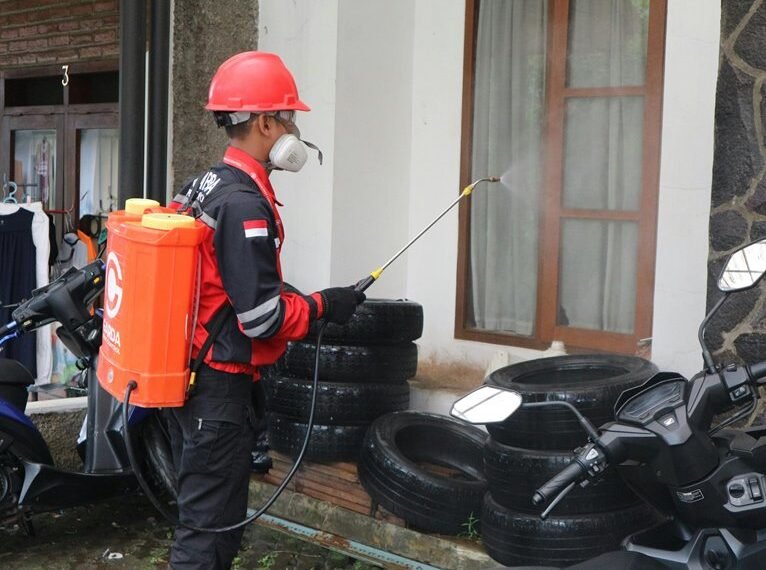
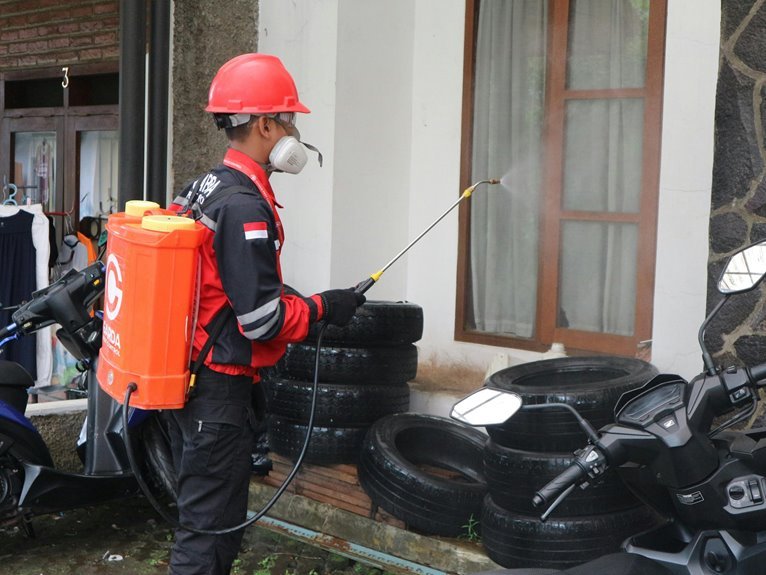
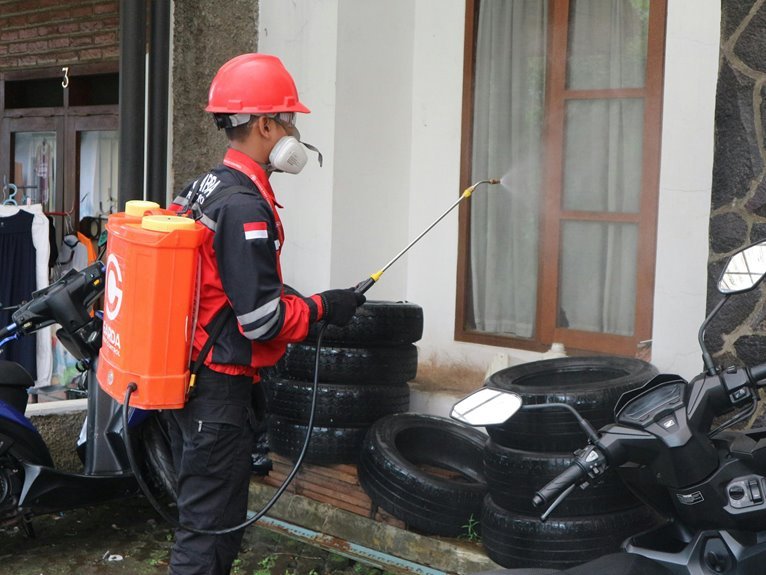
Use targeted spray techniques, ensuring you cover the leaves thoroughly but avoid overspray on desired plants.
Proper application timing and technique can significantly increase the likelihood of successful weed elimination.
Preventing Future Weed Growth
While you may have successfully eliminated existing weeds with your homemade solution, preventing future growth requires a strategic approach.
Implement mulching techniques to suppress weed emergence and retain soil moisture.
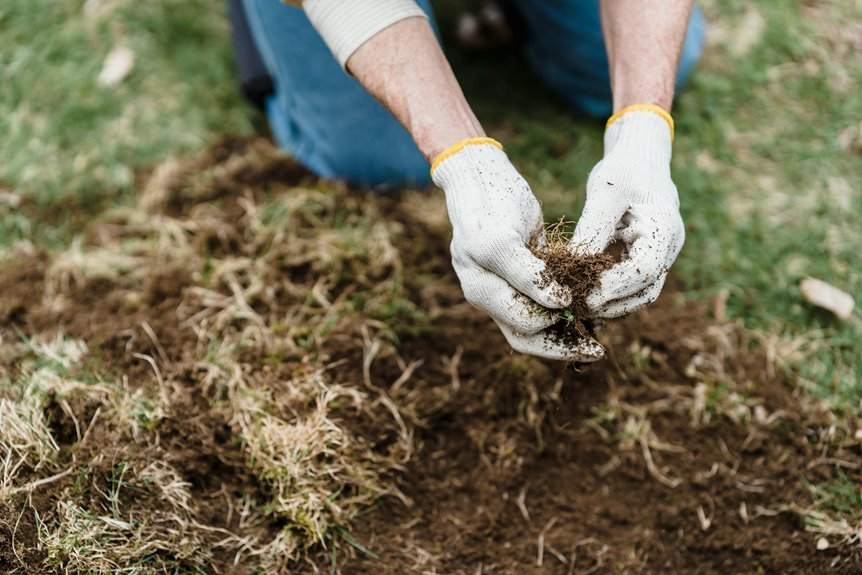
Additionally, focus on improving soil health by adding organic matter, which fosters beneficial microorganisms.
This combination not only curtails weed proliferation but also promotes a thriving, resilient garden ecosystem you can enjoy freely.
Conclusion
Incorporating this homemade weed killer into your gardening routine can be a game-changer, transforming your yard from a weed-ridden battlefield into a flourishing oasis. By harnessing the power of vinegar, salt, and dish soap, you’re not only tackling tough weeds but also nurturing a sustainable environment. Remember, nature rewards those who care for it, so take these steps to reclaim your space and enjoy a thriving garden that flourishes season after season.