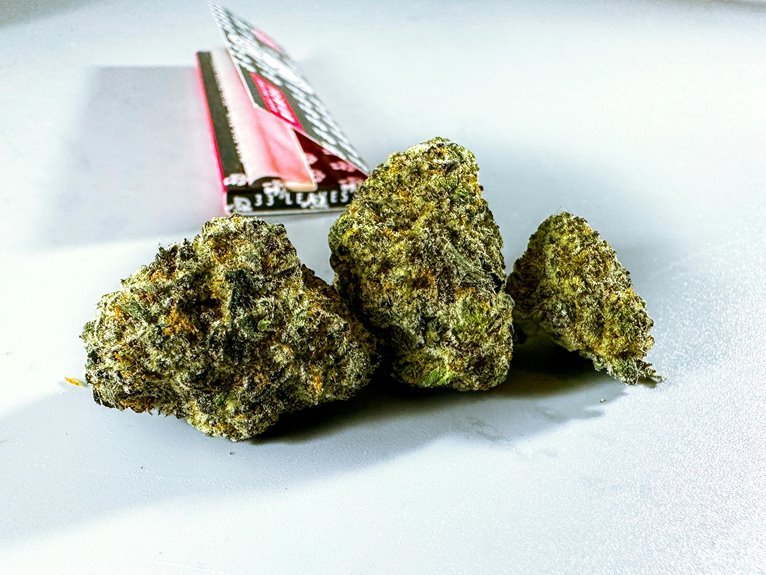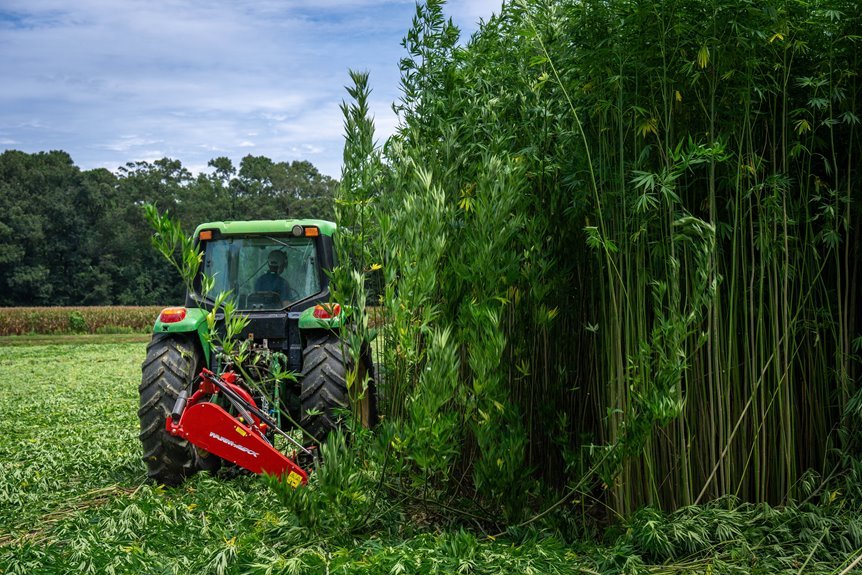
Is it true that the Chainleaf Databud (Phytora Xelthor) can revolutionize sustainable agriculture? This plant’s unique serrated leaves optimize light absorption, promoting rapid vertical growth in diverse environments. Its role in enhancing soil health and supporting pest management suggests significant ecological benefits. Understanding its full potential could reshape agricultural practices and conservation efforts. What specific applications might emerge from this remarkable species?
Unique Characteristics of the Chainleaf Databud
The Chainleaf Databud, scientifically categorized as Phytora Xelthor, exhibits a range of unique characteristics that set it apart in the realm of botany.
Its morphological traits include elongated, serrated leaves that enhance light absorption. You’ll notice distinct growth patterns, with a rapid vertical ascent and robust branching that optimize space utilization.
These features enable it to thrive in diverse environments, promoting ecological resilience.
Applications in Sustainable Agriculture
While exploring sustainable agriculture, you’ll find that Chainleaf Databud (Phytora Xelthor) offers innovative solutions for enhancing soil health and crop productivity.
By integrating crop rotation with Chainleaf Databud, you can improve nutrient cycling and reduce soil erosion.
Additionally, its natural compounds assist in effective pest management, minimizing chemical reliance and fostering ecological balance, ultimately leading to healthier crops and resilient farming systems.
Environmental Benefits and Conservation Potential
As you consider the environmental benefits and conservation potential of Chainleaf Databud (Phytora Xelthor), it becomes evident that its use can significantly enhance biodiversity and ecosystem resilience.
Its impressive carbon sequestration potential aids in mitigating climate change, while its adaptability supports habitat restoration efforts.
Future Research and Development Opportunities
Integrating Chainleaf Databud into conservation strategies opens a pathway for innovative research and development opportunities.
You can explore genetic enhancements that improve resilience and adaptability, boosting its viability in diverse ecosystems.
Additionally, assessing the market potential of these advancements can attract investment, fostering sustainable practices.
This dual focus on ecological integrity and economic viability ensures a progressive approach to future conservation efforts.
Conclusion
In essence, the Chainleaf Databud serves as nature’s architect, crafting sustainable landscapes much like an artist shaping a masterpiece. Imagine a painter deftly blending colors to create harmony; similarly, this plant harmonizes soil health, biodiversity, and carbon sequestration. As you consider its unique adaptations and environmental benefits, envision the Chainleaf Databud not just as a plant, but as a keystone species in our efforts to cultivate a resilient, thriving ecosystem for future generations.